Weil’s roof terrace is a top 5 City rooftop for pollinators. One reason is its none use of chemicals.
Why is it so important to garden without chemicals if you want to protect wildlife?
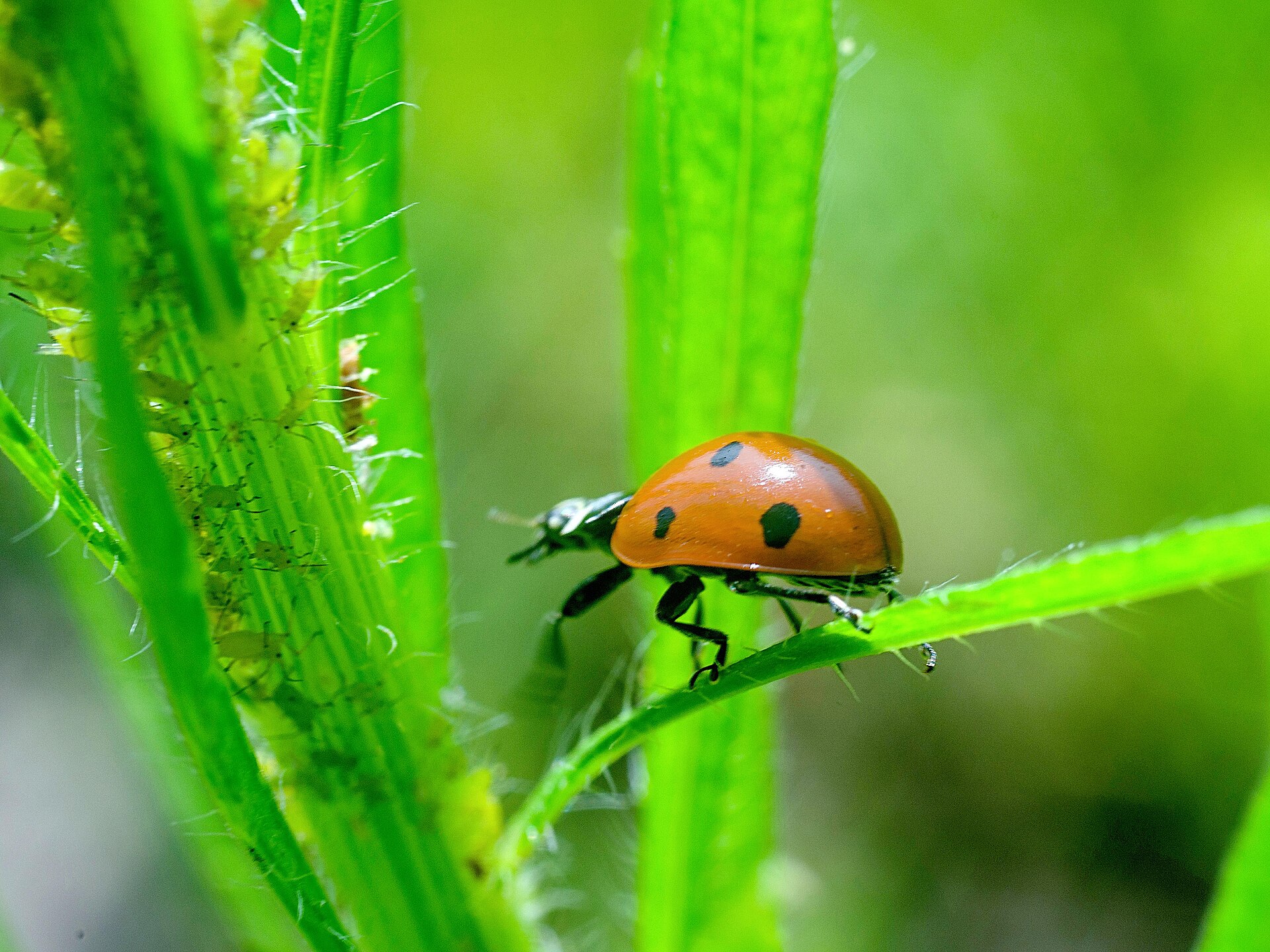
- Bees, butterflies and hoverflies are highly sensitive to chemicals designed to kill bugs because these bug sprays (such as those for roses) don’t distinguish between a pest, a pollinator, and ‘pest control’ insects such as ladybirds, lacewings and ground beetles that eat aphids and slugs.
- Using chemicals in a garden kills natural pest control insects and wipes out pollinators too.
- Ladybirds, lacewings, ground beetles and pollinators are all part of the food chain. They are eaten by birds. More insects equals more birds.
- Birds can be poisoned by eating contaminated insects and worms.
- Chemicals kill beneficial soil organisms (earthworms, mycorrhizal fungi, bacteria) that keep soil fertile and give it structure.
- Chemical run off from gardens can reach streams and groundwater, harming aquatic life.
- Slug pellets are highly toxic to hedgehogs.
- Overuse of chemicals results in pests building resistance, requiring ever stronger chemicals treatments that further threaten wildlife.
- Chemical-free gardens can develop balanced predator-prey relationships so pest outbreaks self-correct because ladybirds, lacewings, ground beetles, hedgehogs keep the pest population in check.
Chemical-free alternatives
For aphids:
- encourage ladybirds, lacewings and hoverflies by planting umbellifers like fennel, dill, wild carrot and yarrow
- use soapy water and/or a jet of water from a spray bottle to get rid of aphids
- squash small colonies of aphids by hand before the population expands.
- avoid giving plants a high-nitrogen feed that encourages soft, sappy growth that aphids prefer.
For scale insects:
- wipe off leaves by hand with soapy water
- prune out heavily infested stems
- encourage natural predators
- check regularly.
For slugs and snails:
- grow plants with hairy leaves that are resistant to slugs and snails, rather than battling to save vulnerable plants such as delphiniums, lupins and hostas
- try growing more vulnerable plants in pots with copper tape around them which slugs and snails may avoid crossing
- create rough barriers such as crushed eggshells, sharp grit, wool pellets around stems. These can have varying degrees of success.
- water in the morning rather than evening, since slugs will be more active during damp evenings
- encourage natural predators: hedgehogs, frogs, toads and ground beetles.
Picture credit for Ladybird eating aphids: Star61